Engine oil reduces friction, carries heat away and keeps the inside of the engine clean. Old oil does all three jobs badly, which means more wear and lower mileage.
Follow the manual first
The right interval depends on the vehicle and the oil type, so your owner's manual is the best guide. Manufacturers list a distance and a time limit: change at whichever comes first. Oil ages even when the vehicle is not used much.
Heavy use needs earlier changes
City traffic, short trips, dusty roads and very hot weather are considered severe conditions. If that describes your daily use, a garage may suggest changing the oil a little earlier than the standard interval.
Signs it may be due
- The oil looks very dark and gritty on the dipstick
- The level is below the minimum mark
- The engine sounds louder or rougher than usual
- The oil warning light comes on: stop and check right away
Use the right grade
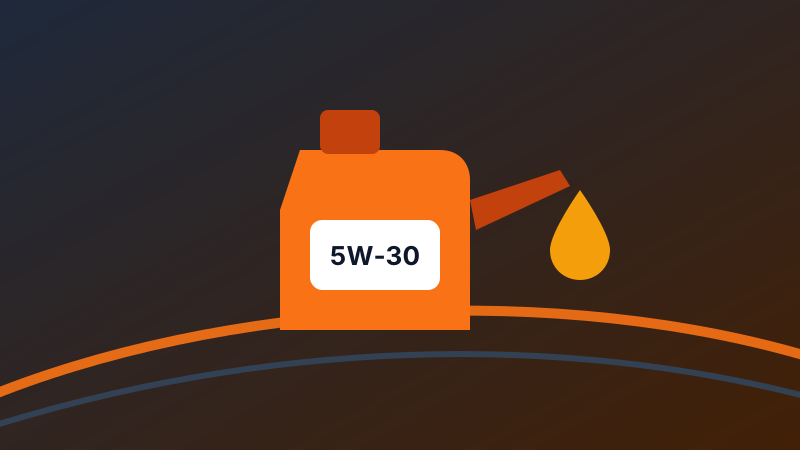
Grades like 10W-30 or 5W-30 describe how the oil flows when cold and hot. Use the grade listed in the manual. A different grade can affect protection and mileage.
Change the filter too
The oil filter traps dirt. Most services replace it along with the oil. Ask the garage to confirm both on your invoice.