The clutch connects the engine to the wheel. When it is adjusted well, gear changes are smooth and effortless. When it is not, the bike feels jerky, slips under acceleration or makes gear changes difficult.
Do not ride with your fingers on the lever
Resting fingers on the clutch lever partially disengages it and wears the plates. Keep it fully released once you are moving.
Use neutral at long signals
Holding the clutch in for a long red light puts unnecessary strain on the clutch parts. Shift to neutral if the wait is long.
Keep the cable adjusted
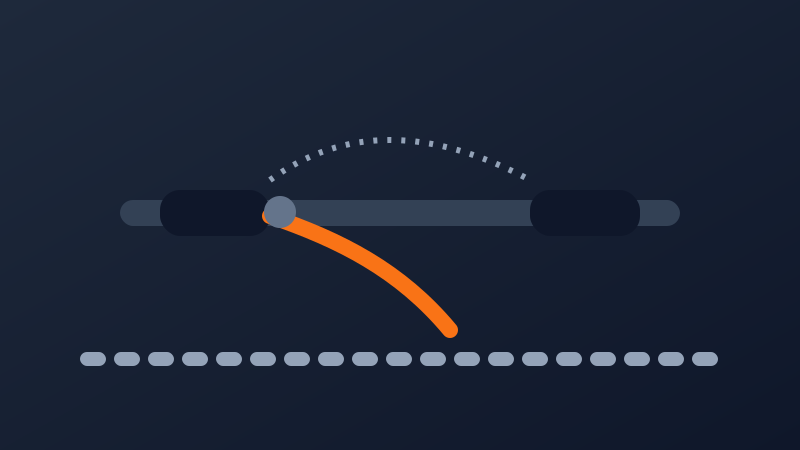
The lever should have a small amount of free play before it starts to work, as specified in the manual. Too little free play can cause slipping; too much makes the clutch hard to disengage.
Lubricate the cable
A dry cable makes the lever stiff. A garage can lubricate or replace it during a service.
Signs of a worn clutch
- Engine speed rises but the bike does not pick up speed
- Burning smell after heavy use
- Hard to find neutral or change gears
- Bike creeps forward with the clutch pulled in
If you notice these, book a clutch inspection. It is often an adjustment, and sometimes the clutch plates need replacement.